
Africa
Over the past few decades, Kenya and China have cultivated a multifaceted relationship that has grown from modest beginnings into a cornerstone of Kenya’s economic and political agenda. This partnership has yielded considerable benefits, particularly in infrastructure and investment, yet it also invites scrutiny over trade imbalances, debt sustainability, and transparency. As Kenya navigates its development path, the China connection stands out as both an opportunity and a potential challenge.
Expanding Economic Ties: Trade, Investment, and Infrastructure
The most visible dimension of the Kenya-China relationship is economic. China is now one of Kenya’s largest trading partners, exporting electronics, machinery, textiles, and consumer goods, while importing Kenyan agricultural products and raw materials. However, the trade balance remains heavily tilted in China’s favor, raising concerns about the long-term viability of local industries.
Chinese Investments in Kenya: Flagship Projects and Financial Support
China is also a leading source of foreign direct investment (FDI) in Kenya. Chinese firms are active in sectors such as infrastructure, manufacturing, mining, and real estate. A flagship example is the Standard Gauge Railway (SGR), linking Mombasa and Nairobi, funded and built largely by Chinese entities. This project symbolizes the depth of Chinese involvement in Kenya’s development ambitions.
In parallel, China has emerged as a major lender, financing numerous infrastructure and development initiatives. These loans have enabled Kenya to pursue projects that might have otherwise remained out of reach financially.
Political Diplomacy and Growing Cultural Exchange
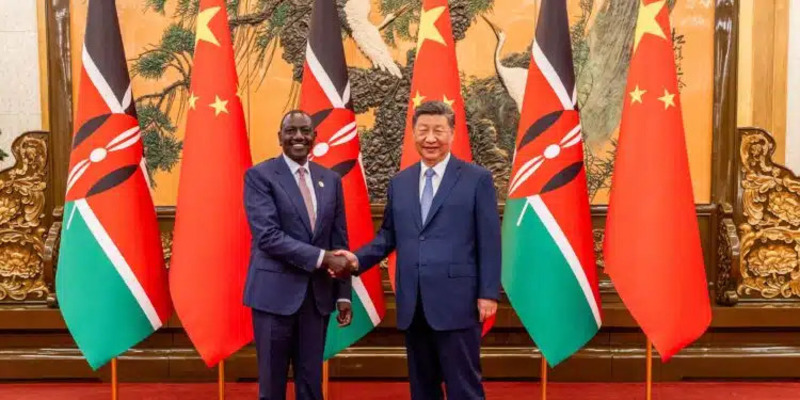
While economic ties dominate the spotlight, political and cultural dimensions have also grown significantly. Diplomatically, the two countries maintain strong relations reinforced by high-level visits and China’s policy of non-interference in domestic affairs—a stance appreciated by many African governments.
Cultural engagement has also intensified. More Kenyan students are pursuing higher education in China, and Chinese cultural centers in Kenya promote language learning and cross-cultural understanding. These people-to-people exchanges foster deeper mutual appreciation and potential long-term collaboration.
Key Opportunities in Kenya-China Cooperation
Expanding Economic Ties: Trade, Investment, and Infrastructure
The most visible dimension of the Kenya-China relationship is economic. China is now one of Kenya’s largest trading partners, exporting electronics, machinery, textiles, and consumer goods, while importing Kenyan agricultural products and raw materials. However, the trade balance remains heavily tilted in China’s favor, raising concerns about the long-term viability of local industries.
Chinese Investments in Kenya: Flagship Projects and Financial Support
China is also a leading source of foreign direct investment (FDI) in Kenya. Chinese firms are active in sectors such as infrastructure, manufacturing, mining, and real estate. A flagship example is the Standard Gauge Railway (SGR), linking Mombasa and Nairobi, funded and built largely by Chinese entities. This project symbolizes the depth of Chinese involvement in Kenya’s development ambitions.
In parallel, China has emerged as a major lender, financing numerous infrastructure and development initiatives. These loans have enabled Kenya to pursue projects that might have otherwise remained out of reach financially.
Political Diplomacy and Growing Cultural Exchange
While economic ties dominate the spotlight, political and cultural dimensions have also grown significantly. Diplomatically, the two countries maintain strong relations reinforced by high-level visits and China’s policy of non-interference in domestic affairs—a stance appreciated by many African governments.
Cultural engagement has also intensified. More Kenyan students are pursuing higher education in China, and Chinese cultural centers in Kenya promote language learning and cross-cultural understanding. These people-to-people exchanges foster deeper mutual appreciation and potential long-term collaboration.
Key Opportunities in Kenya-China Cooperation
- Infrastructure Development: Chinese investment has modernized key infrastructure, improved connectivity, and reduced logistics costs.
- Economic Growth: Trade and investment spur job creation and facilitate technology and skills transfer.
- Access to Finance: Chinese financing provides resources for ambitious development projects.
- Diversified Partnerships: Engagement with China allows Kenya to balance its global partnerships beyond traditional Western allies.
Major Challenges in the Kenya-China Relationship
- Trade Imbalance: A persistent trade deficit threatens the competitiveness of domestic industries.
- Debt Sustainability: Rising debt levels raise concerns about Kenya’s fiscal health and long-term repayment capacity.
- Environmental and Social Impacts: Some projects have sparked backlash over ecological damage and displacement of communities.
- Transparency and Governance: Opaque contracts and alleged corruption in Chinese-financed projects highlight governance concerns.
Strategic Recommendations for a Balanced Partnership
To fully harness the benefits of this evolving relationship while mitigating the associated risks, Kenya must pursue a strategic and proactive approach:
- Promote Balanced Trade: Enhance export competitiveness and negotiate better market access.
- Ensure Debt Sustainability: Focus borrowing on projects with clear returns and long-term benefits.
- Prioritize Environmental and Social Safeguards: Conduct thorough impact assessments and protect affected communities.
- Enhance Transparency and Accountability: Demand openness in project negotiations and implementation.
- Strengthen Local Capacity: Invest in skill-building and ensure meaningful technology transfer to empower Kenyan workers and firms.
The Future of Kenya-China Relations
The Kenya-China relationship is a defining feature of Kenya’s development trajectory, marked by both promise and pitfalls. While it offers critical economic and strategic opportunities, it also presents challenges that demand vigilance and thoughtful navigation. The future of this partnership will be shaped not only by China’s approach but also by Kenya’s ability to assert its priorities, protect its sovereignty, and steer the relationship in a direction that promotes inclusivity and sustainable growth.