
Africa
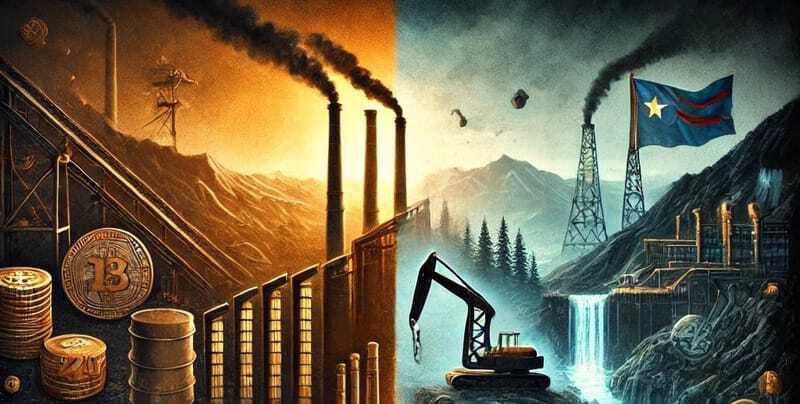
The Democratic Republic of the Congo (DRC) holds some of the world’s largest copper reserves and has become a crucial supplier to China. Driven by the rapid expansion of industries like technology, electric vehicles, and renewable energy, China’s demand for critical minerals has surged, making Congolese copper a strategic asset.
While this relationship has created significant economic opportunities for the DRC, it has also raised concerns over resource dependency, environmental degradation, and foreign influence.
Economic Benefits for the DRC
China’s involvement in the DRC’s copper sector has yielded several important advantages for DRC Congo
While this relationship has created significant economic opportunities for the DRC, it has also raised concerns over resource dependency, environmental degradation, and foreign influence.
Economic Benefits for the DRC
China’s involvement in the DRC’s copper sector has yielded several important advantages for DRC Congo
- Increased Government Revenue: Export duties, mining royalties, and taxes have become critical sources of funding for national development projects.
- Job Creation: Mining operations have provided thousands of Congolese workers with employment, particularly in regions like Katanga.
- Infrastructure Development: Chinese investment has led to the construction of roads, railways, and power plants, enhancing the country’s connectivity and logistics capacity.
- Manufacturing Growth: The presence of foreign and local investors has stimulated the development of copper processing and refining industries.
- Strengthened Global Trade Position: The DRC’s role as a key supplier has enhanced its bargaining power in global trade negotiations.
- Debt Forgiveness: China has forgiven portions of the DRC’s debt in exchange for economic cooperation, strengthening bilateral diplomatic relations.
Challenges and Risks
Despite these benefits, several pressing challenges remain:
- Unequal Agreements: Many of the trade deals, such as the China-DRC "minerals-for-infrastructure" arrangement, have been criticized for disproportionately favoring Chinese interests. Billions of dollars in mineral exports have been recorded, while promised infrastructure projects have lagged behind.
- Economic Vulnerability: Heavy reliance on copper exports leaves the DRC exposed to global price volatility and changes in Chinese consumption patterns.
- Labor Exploitation: Miners, especially in artisanal and small-scale operations, often work under dangerous conditions, for low pay, and in some cases, amid allegations of child labor.
- Environmental Damage: Mining activities have caused widespread deforestation, water contamination, and soil degradation, with few effective environmental protections in place.
- Corruption and Governance Failures: Bribery, illegal land acquisitions, and poor management of mining revenues continue to prevent these earnings from benefiting the wider population.
Steps Toward Sustainable Growth
To fully leverage its copper wealth while minimizing risks, the DRC can pursue several strategic actions:
- Renegotiate Trade Agreements: Push for fairer terms that ensure greater revenue-sharing and accountability from foreign investors.
- Strengthen Environmental Regulations: Enforce stronger policies to protect land, water, and biodiversity from unchecked mining practices.
- Improve Labor Protections: Enhance legal frameworks to safeguard miners' rights, improve working conditions, and eliminate child labor.
- Diversify the Economy: Invest in agriculture, manufacturing, and the services sector to reduce dependency on mineral exports and build resilience against market shocks.
Balancing Opportunities and Risks
The DRC’s immense copper reserves offer a pathway to significant economic growth and development. However, without careful management, the country risks falling into the "resource curse", where natural wealth becomes a source of conflict, inequality, and environmental devastation.
By renegotiating exploitative agreements, strengthening governance and environmental protections, and fostering broader economic diversification, the DRC can harness its mineral wealth to create lasting prosperity for its people and a sustainable future for the nation.