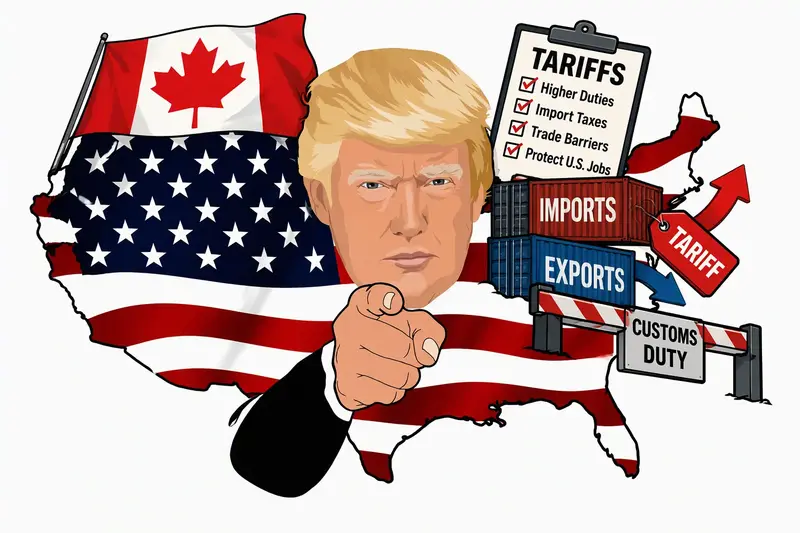

NorthAmerica
As of February 2025, the Trump administration has enacted sweeping changes in federal employment, leading to widespread layoffs and raising concerns about the future of the North American job market.
Aggressive Job Cuts by the Department of Government Efficiency (DOGE)
The Department of Government Efficiency (DOGE), led by Elon Musk, has aggressively cut federal jobs as part of a broader push to reduce government spending. These layoffs, spanning multiple agencies, have already resulted in over 20,000 job losses, with projections suggesting the number could reach about 50,000 in the coming months.
Impact on Federal Departments and Public Services
The Department of Housing and Urban Development (HUD) has seen 4,000 job cuts, directly affecting critical services such as disaster relief and rental assistance. The Department of Defense has announced plans to reduce its workforce by 5,400 employees, with the possibility of further reductions in the near future. Other departments, including Education, Energy, and the Office of Personnel Management, are also implementing mass layoffs.
Labor Market Reflections and Unemployment Concerns
The labor market is beginning to reflect these significant changes. In January 2025, the U.S. economy added 143,000 jobs, which fell short of the anticipated 175,000. Despite this, the national unemployment rate has remained steady at 4.0%, slightly down from 4.1% in the previous month. However, analysts predict an increase in unemployment rates as thousands of displaced federal workers enter the job market.
Private Sector Response and Economic Uncertainty
The private sector’s response to the sudden shift remains uncertain. Trump’s administration is pushing for tax cuts and deregulation to encourage corporate expansion and job creation. However, some economists argue that these benefits may take time to materialize, leaving many unemployed workers struggling to find new positions in the interim.
Political Backlash and Worker Frustrations
The mass layoffs have sparked political backlash. Federal employees, many of whom had no prior warning of their dismissals, have expressed frustrations over the abrupt nature of the cuts. Protests and legal challenges are beginning to emerge as affected workers demand explanations and support from the government.
Long-Term Impact on Employment and Economic Stability
As the Trump administration continues its drive to shrink government operations, the long-term impact on employment remains unclear. While the goal of reducing federal spending may align with conservative economic principles, the immediate consequences include job losses, increased financial insecurity, and uncertainty in the labor market.
Takeaway
Trump administration's aggressive federal job cuts, led by Elon Musk's Department of Government Efficiency (DOGE), have already eliminated over 20,000 positions and could reach 50,000, causing disruptions across agencies like HUD and Defense.
While the national unemployment rate remains at 4.0% for now, analysts warn of rising joblessness as displaced workers enter the market, and the private sector's ability to absorb them via tax cuts and deregulation remains uncertain, fueling political backlash and legal challenges.
Aggressive Job Cuts by the Department of Government Efficiency (DOGE)
The Department of Government Efficiency (DOGE), led by Elon Musk, has aggressively cut federal jobs as part of a broader push to reduce government spending. These layoffs, spanning multiple agencies, have already resulted in over 20,000 job losses, with projections suggesting the number could reach about 50,000 in the coming months.
Impact on Federal Departments and Public Services
The Department of Housing and Urban Development (HUD) has seen 4,000 job cuts, directly affecting critical services such as disaster relief and rental assistance. The Department of Defense has announced plans to reduce its workforce by 5,400 employees, with the possibility of further reductions in the near future. Other departments, including Education, Energy, and the Office of Personnel Management, are also implementing mass layoffs.
Labor Market Reflections and Unemployment Concerns
The labor market is beginning to reflect these significant changes. In January 2025, the U.S. economy added 143,000 jobs, which fell short of the anticipated 175,000. Despite this, the national unemployment rate has remained steady at 4.0%, slightly down from 4.1% in the previous month. However, analysts predict an increase in unemployment rates as thousands of displaced federal workers enter the job market.
Private Sector Response and Economic Uncertainty
The private sector’s response to the sudden shift remains uncertain. Trump’s administration is pushing for tax cuts and deregulation to encourage corporate expansion and job creation. However, some economists argue that these benefits may take time to materialize, leaving many unemployed workers struggling to find new positions in the interim.
Political Backlash and Worker Frustrations
The mass layoffs have sparked political backlash. Federal employees, many of whom had no prior warning of their dismissals, have expressed frustrations over the abrupt nature of the cuts. Protests and legal challenges are beginning to emerge as affected workers demand explanations and support from the government.
Long-Term Impact on Employment and Economic Stability
As the Trump administration continues its drive to shrink government operations, the long-term impact on employment remains unclear. While the goal of reducing federal spending may align with conservative economic principles, the immediate consequences include job losses, increased financial insecurity, and uncertainty in the labor market.
Takeaway
Trump administration's aggressive federal job cuts, led by Elon Musk's Department of Government Efficiency (DOGE), have already eliminated over 20,000 positions and could reach 50,000, causing disruptions across agencies like HUD and Defense.
While the national unemployment rate remains at 4.0% for now, analysts warn of rising joblessness as displaced workers enter the market, and the private sector's ability to absorb them via tax cuts and deregulation remains uncertain, fueling political backlash and legal challenges.