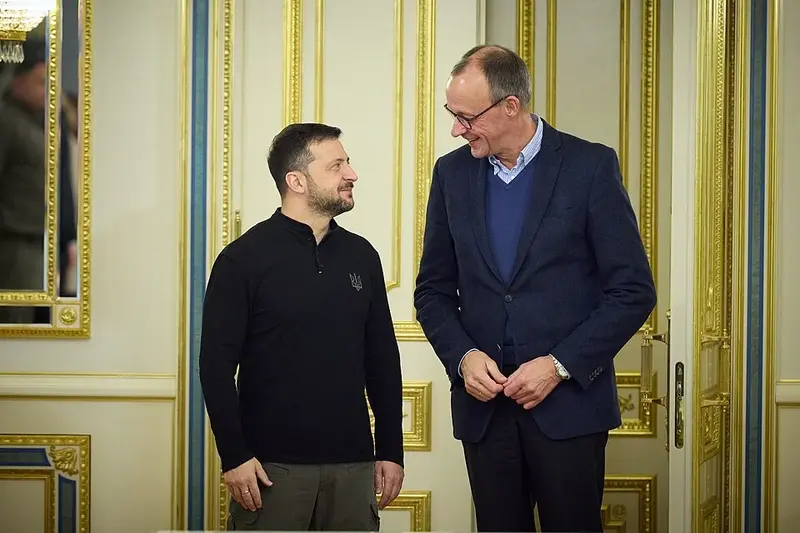
Greenland 2026 strategy with rare earth minerals, NATO flag, Arctic village, and geopolitical tensions. Image Credits: Kencrave
Europe
Greenland’s Strategic Geography in Arctic and Transatlantic Security
With its geographical location between North America and the Arctic, Greenland is one of the largest islands in the world. In recent years, there has been an increase in interest in Greenland's natural resources, including a wide variety of rare earth minerals, uranium, and iron. It is also expected that there are significant amounts of oil and natural gas reserves in Greenland.
2026 Arctic military base map showing strategic installations by Russia, US, Canada, Denmark, Norway, and UK across the polar region, highlighting Pituffik Space Base, NORAD, and Joint Arctic Command. Source: Aljazeera.
Rare Earth Minerals, Energy Reserves, and the Global Resource Race in Greenland
Greenland is not a colony to be sold but an autonomous territory. It is supported by Denmark's constitutional partnership and subsidy, and its security is guaranteed by NATO and specifically managed through the existing U.S.-Denmark defense agreement, which already secures America's key military interests on the island.
During the Cold War, the US planned to develop nuclear weapons for use in Greenland but ultimately scrapped those plans due to:
Technical issues.
Engineering difficulties.
Objections by Denmark.
Greenland’s Political Status: Autonomy, Danish Sovereignty, and International Law
Greenland has continued to enjoof recognition as an integral part othe f the Kingthe dom of Denmark. The leaders of Europe (UK, France, and Denmark) are against the U.S earlier threats to impose tariffs against European nations concerning Greenland. Greenland remains a part of NATO under Article 5 of the North Atlantic Treaty. NATO Article 5 and Greenland’s Role in Collective Arctic Defense
On Wednesday 21st January 2026, while speaking at the World Economic Forum in Davos, Trump stated that th United States would not use excessive force in its quest to acquire Greenland. On 24th January 2026, Trump revealed the imposition of tariffs on eight NATO-allied European nations due to their participation in military exercises at a location located off the coast of Turkey. The announcement of the tariff by Trump led to immediate threats of trade retaliation from those European Union Member States, each of which was already subject to tariffs of 10% and 15% respectively.
The EU–U.S. Trade Relationship at Risk: Energy Imports, Investment, and Retaliation
In response to this escalation, a number of European Union Officials held an urgent emergency meeting to review the possibility of coordinating a response to the U.S. imposition of tariffs. In addition, there are considerations of abandoning the U.S.-E.U. Trade Agreement reached in the summer of 2017.
The Agreement comprises:
$750 Billion in U.S. energy imports.
$600 Billion in E.U. investment.
Billions of U.S. dollars in tariff reductions for imports into the European Union.
Arctic Militarization After Venezuela: U.S. Power Projection and Global Signaling
After the US Military Raid against Venezuela on January 6, 2026, Venezuela's President, Nicolas Maduro, and his wife were captured and brought to New York to face criminal prosecution. During thiriod, Presidepushingonald Trump began the aggressively push for US ownership of Greenland, a large island in the Nortthe h Atlantic pointing to the adoption of Monroe Doctrine previously used in Cuba and Panama.
Missile Defense in the Arctic: The “Golden Dome” Proposal and Strategic Implications
Following a meeting with NATO Secretary General Mark Rutte in the Swiss Alps, President Trump proposed that an agreement could be reached among the Arctic nations that would allow for the establishment of a US Missile Defense Site or "Golden Dome" in Greenland while simultaneously accommodating the desires of his NATO partners to control access to Greenland.
Countering Russia and China in the Arctic: Strategic Competition and Resource Control
Additionally, Trump wants a strategic military and economic partnership with Arctic nations that would include shared access to valuable mineral resources and would prevent Russian or Chinese domination of the Arctic region. European Unity and Strategic Autonomy in Response to U.S. Pressure
Emmanuel Macron of France, noted the need for Europe to remain extremely vigilant itse ready to use the instruments at their disposal if threatened by the U.S. The putative deal on Wednesday 21st January 2026, could revolve around a renegotiation of that 1951 defence pact, which was updated in 2004 to take account of Greenlandic home rule.
Key Takeaways: Greenland Arctic Security, Rare Earths & The Nato Sovereignty Standoff
Greenland is a strategic Arctic focal point for NATO, NORAD, and transatlantic security, controlling key air, missile-warning, and polar routes.
Critical minerals and energy reserves position Greenland at the center of the global race for rare earths, oil, gas, and uranium.
Greenland’s sovereignty is settled under Danish and international law, with NATO Article 5 guaranteeing its security and blocking any forced transfer.
U.S. pressure risks fracturing NATO and EU–U.S. trade ties, threatening major energy, investment, and tariff agreements.
Accelerating Arctic militarization reflects U.S.–Russia–China competition, with missile defense and resource access shaping the next geopolitical frontier.
Frequently Asked Questions
1. Why is Greenland strategically important in Arctic geopolitics? Greenland’s location between North America and the Arctic, combined with its military relevance and access to critical resources, makes it a key asset in global security and great-power competition.
2. Does the United States have the legal right to acquire Greenland? No. Greenland is an autonomous territory within the Kingdom of Denmark, and its sovereignty is protected under Danish law, international law, and NATO agreements.
3. How does NATO Article 5 apply to Greenland? As part of the Kingdom of Denmark, Greenland falls under NATO Article 5, meaning any armed attack on it would trigger collective defense obligations.
4. What role do rare earth minerals play in Greenland’s geopolitical significance? Greenland holds valuable rare earth minerals, uranium, and potential energy reserves, which are critical for defense technologies and supply chain security, increasing international interest in the island.
5. How could U.S.–EU trade tensions affect Arctic security cooperation? Tariffs and trade disputes risk weakening transatlantic unity, potentially complicating coordinated NATO responses and long-term Arctic security strategies.


.jpg)