
Asia
The 50-year petrodollar pact between Saudi Arabia and the US has ended. Explore what a yuan-for-oil shift means for the dollar, inflation, gold and the new multipolar global economy.
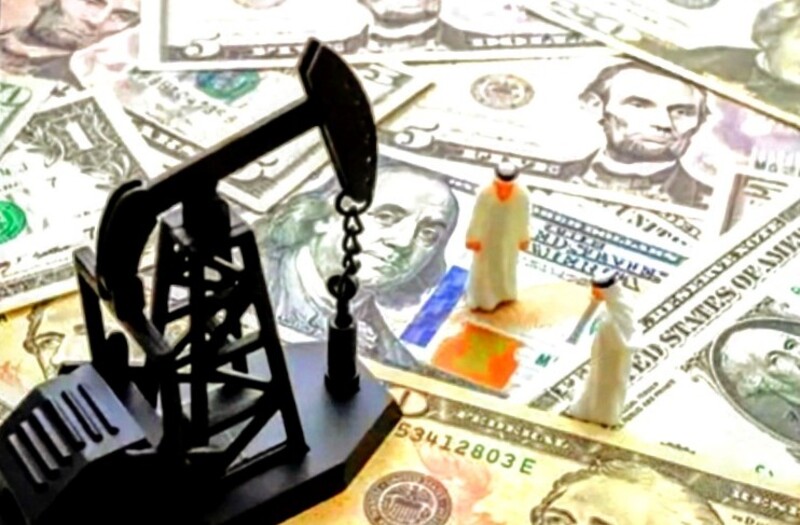
The petrodollar system, born from a pact between Saudi Arabia and the United States on June 8, 1974, has finally come to an end after 50 years. Under this historic agreement, crude oil exports were priced and transacted in US dollars, ensuring the greenback’s dominance as the world’s primary reserve currency.
When oil prices rose, so did the strength of the currencies of oil-producing nations, particularly those in the Middle East, the world's largest oil-producing region.
The petrodollar was instrumental in solidifying the US dollar's unrivaled position in global finance. As revealed by a Bloomberg report in 2016, part of the deal included the US providing Saudi Arabia with military protection, while Saudi Arabia reinvested oil proceeds into US Treasury bills and bonds—creating a mutually reinforcing cycle of power, security, and finance.
The Dissolution of a Strategic Pact
As of June 9, 2024, Saudi Arabia is no longer bound by the petrodollar agreement. This development means the Kingdom is now free to accept other major currencies—such as the Chinese yuan and Russian ruble—for its oil exports. The implications of this move are profound.
The energy sector could experience major realignments, and emerging economies could gain newfound influence by using alternative currencies for international trade. The longstanding dominance of the US dollar in global energy transactions is likely to erode, potentially shifting the global balance of economic and political power.
Potential Impacts on the US and Global Economy
The weakening of the US dollar's role in global oil transactions could trigger significant internal and external consequences for the United States. Domestically, higher inflation and rising interest rates could follow, as the demand for dollars diminishes globally. Investors may turn toward precious metals such as gold, silver, palladium, and platinum as safer stores of value.
However, the full effects of this shift will not be immediate. The global financial system is deeply entrenched in dollar-based transactions, and a complete transition will take time. Nevertheless, governments and financial institutions must prepare for the uncertainties that lie ahead—reworking strategies for currency management, oil trade policies, and international alliances.
Navigating a New Global Financial Era
The end of the petrodollar marks not just the conclusion of a long-standing financial arrangement but signals the beginning of a new multipolar global economy.
As Saudi Arabia diversifies its currency dealings, the shift could ripple across financial markets, energy sectors, and geopolitical alliances. For the United States, this reality demands urgent economic recalibration to preserve its global influence.
Meanwhile, emerging economies have a historic opportunity to redefine global trade norms. How nations prepare and respond to this transformation will determine their future standing in a world where no single currency dominates—and where economic resilience and adaptability will be key to survival.